
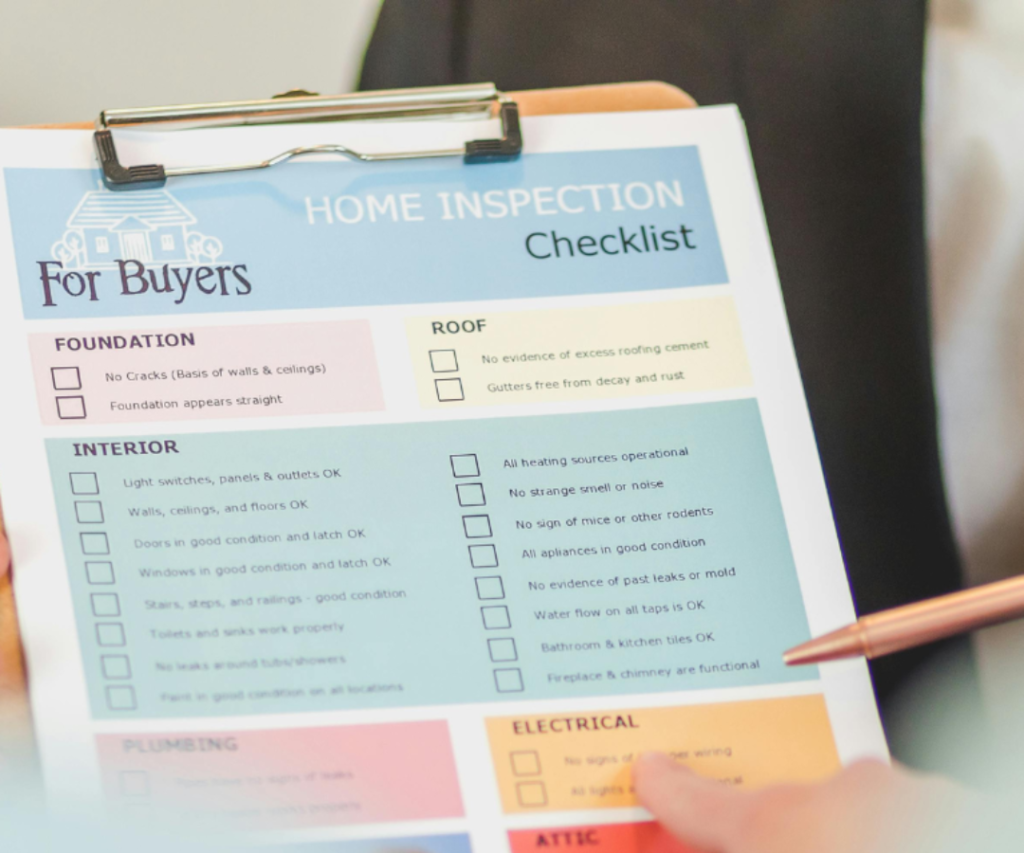
Why a Year-Round Plan Matters
- Prevention saves money: Small fixes today (like a slow leak or a cracked seal) can prevent major failures tomorrow.
- Safety & comfort: Regular checks ensure electrical systems, smoke detectors, and air quality stay strong.
- Property value: A well-maintained home holds resale value—and wins buyer confidence.
Monthly Maintenance Checklist
Time required: 60–90 minutes total
Inspect and test smoke & CO detectors
Replace batteries if needed. Press the test button monthly and vacuum the detector vents to remove dust.Clean or replace HVAC/AC filters
Dirty filters strain your system and reduce air quality. If you have pets or allergies, check twice a month.Check under sinks & around appliances for leaks
Look for dampness, corrosion, or musty smells near water heaters, dishwashers, and washing machines.Wipe door/window tracks & check seals
Remove grit from sliding tracks. Re-seal gaps to boost energy efficiency and stop drafts and pests.Declutter drains
Clean hair catchers and run boiling water down bathroom drains. Use enzyme drain cleaners if needed (avoid harsh chemicals).Quick safety sweep
Ensure fire extinguisher is accessible and reads “charged.” Keep exits clear of storage.
Quarterly (Every 3 Months)
Time required: 2–3 hours
Deep clean kitchen exhaust and range hood
Grease buildup is a fire hazard. Wash filters and wipe duct openings.Test GFCI outlets (bathroom, kitchen, outdoor)
Press “test” and “reset” on each. Call a pro if an outlet doesn’t trip or reset.Flush water heater (if compatible)
Sediment can damage heating elements and reduce efficiency. Partially drain to reduce buildup; full flush annually.Inspect caulking & grout in wet areas
Re-caulk around tubs, showers, vanities, and splashbacks to prevent water damage and mould.Clean ceiling fans & light fixtures
Dust blades and housings—dirty fans spread allergens.Check door hardware & lubricate hinges/locks
Use silicone spray on hinges and lock cylinders. Adjust latch alignment if doors stick.
Seasonal Maintenance (Spring, Summer, Fall, Winter)
Adapt these to your local climate. If your area is warm year-round, prioritize HVAC tune-ups, sun exposure protection, and dust control.
Spring: Refresh & Inspect
- Exterior inspection
Walk the perimeter: check paint, stucco, siding, and foundation for cracks. Seal before summer heat expands gaps. Gutters & downspouts
Clear debris; ensure water flows away from the foundation. Add splash blocks if you see pooling.
Window & screen cleaning
Wash glass, repair or replace torn screens, and clean sills to improve airflow.
Garden & irrigation
Test sprinklers/drip lines; adjust timers. Check for leaks causing high water bills.
AC pre-season tune-up
Schedule a professional service to test coolant levels, coils, fan motors, and thermostat calibration.
Summer: Cool, Clean & Protect
- Shade & sun protection
Inspect external shades, awnings, and blinds. Protect furniture and flooring from UV fading. Pest prevention
Seal entry points (door sweeps, window gaps, utility penetrations). Keep landscaping trimmed away from walls.
Outdoor living areas
Power wash patios; check outdoor lighting and replace weathered fixtures or cables.
Plumbing stress test
Increased use means more risk of leaks. Inspect hose bibs, washing machine hoses, and toilet fill valves.
Roof & drainage glance
Visually check roof tiles or shingles for displacement; clear rooftop debris that traps heat and moisture.
Fall: Prepare & Preserve
- Safety systems check
Replace smoke/CO batteries; test alarms; service fire extinguishers if required.
Weather-stripping & insulation
Re-seal doors and windows. Inspect attic or roof insulation for gaps and moisture.Water heater full flush
Remove sediment to improve efficiency and extend lifespan.Electrical panel & breakers
Check for warm spots, buzzing, or tripped circuits. Label breakers clearly.
Appliance maintenance
Vacuum refrigerator coils; descale kettles, coffee machines, and instant water heaters.
Winter: Protect & Maintain
- Indoor air quality
Replace filters; clean vents and returns. Consider a portable purifier during closed-window months.
Condensation control
Use exhaust fans during showers/cooking; wipe window condensation to prevent mould.
Emergency readiness
Stock spare batteries, flashlights, and a basic toolkit. Keep a list of emergency contacts (electrician, plumber, HVAC).
Plumbing checks
Inspect exposed pipes for sweating or corrosion. If applicable, insulate to prevent temperature swings.
Security & smart home
Update camera firmware; test alarms and smart locks; review notification settings.
Annual Essentials (Once a Year)
Time required: 1 day or split into two half-days
Professional HVAC service
Comprehensive inspection, coil cleaning, refrigerant check, and performance testing.Electrical safety inspection
Have a licensed electrician evaluate panel, breakers, grounding, and key circuits.Roof inspection
Check flashing, vents, skylights, and tiles. Replace cracked or missing pieces.Exterior paint & sealants
Touch up paint; reseal masonry, stone, and wood to prevent moisture intrusion.Plumbing audit
Inspect all fixtures; check water pressure; test shut-off valves; replace worn hoses and washers.Deep clean & recondition flooring
Shampoo carpets, steam clean tiles, and refresh grout. Apply protective finish for hardwood or engineered floors.Drainage & grading review
Confirm water flows away from the home. Re-level pavers or add drainage channels if necessary.Safety audit
Confirm extinguisher service dates; check first-aid kit; review emergency plans.Termite/wood pest inspection (if relevant)
Catch early signs before structural damage occurs.
Bonus: High-Impact Upgrades for Long-Term Savings
- Smart thermostat & zoning – Improves comfort and cuts energy bills.
- Low-flow fixtures – Reduces water use without sacrificing performance.
- LED lighting – Lower energy, cooler running, and longer lifespan.
- Whole-home surge protection – Protects appliances and electronics.
- Window films or double glazing – Better thermal performance and UV protection.
- Greywater or rain capture – Eco-friendly irrigation where permitted.
Pro Tips to Stay on Track
- Create calendar reminders: Add recurring tasks to your phone or shared family calendar.
- Bundle tasks by area: Do “wet areas” (kitchen/baths) together, then “mechanical” (HVAC/water heater).
- Document everything: Keep a simple maintenance log (date, task, cost, notes). It’s gold for resale.
- Use the right supplies: Silicone caulk for baths/kitchens, acrylic latex for general interior, silicone spray for hinges/locks.
- Know when to call a pro: Electrical, roofing, gas appliances, and complex plumbing issues should be handled by licensed professionals.
Final Thoughts
A home that’s cared for costs less to own and feels better to live in. With a simple, repeatable checklist, you’ll cut down on surprise repairs, improve safety, and preserve your property’s value year after year. Bookmark this guide, share it with friends and neighbors, and revisit it at the start of each season.