Whether you’re moving into a new home, planning a remodel, or dealing with a mysterious leak, understanding house plumbing services can save you stress, time, and money. This guide breaks down the types of services available, what’s included, how to choose a provider, and when DIY stops and professional help starts.
What Does “House Plumbing Services” Include?
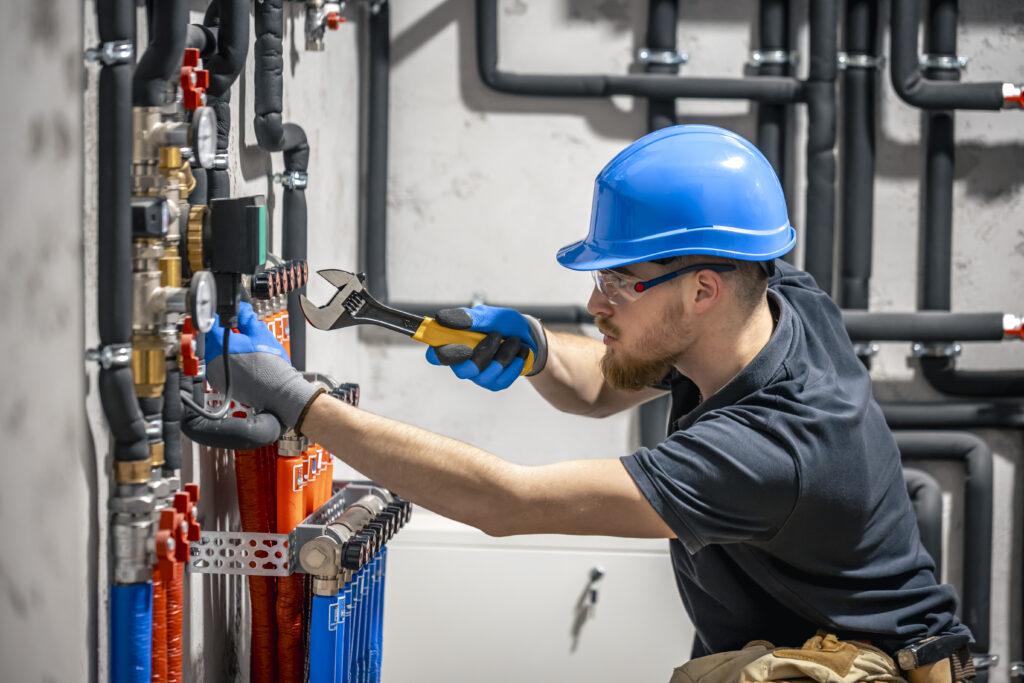
1) Plumbing Installations
Pipes & Fixtures: Water supply lines, drainage pipes, sinks, toilets, tubs, showers.
Appliances: Dishwashers, washing machines, refrigerator lines, garbage disposals.
Water Heaters: Tank and tankless systems, sizing, venting, code-compliant installation.
2) Repairs & Troubleshooting:
Leaky faucets and running toilets
Burst pipes and slab leaks
Clogged drains and sewer backups
Water pressure issues (PRV installation/adjustments)
3) Maintenance & Inspections:
Annual whole-home plumbing inspection
Water heater flushing and anode rod checks
Drain cleaning (enzyme-based care and mechanical clearing)
Leak detection (acoustic/thermal/smart sensors)
4) Emergency Plumbing:
24/7 response for flooding, sewer line blockage, failed water heaters, gas line issues (where applicable).
When to DIY vs When to Call a Pro:
DIY-Friendly:
Replacing faucet aerators and showerheads
Unclogging minor sink drains with a plunger
Recaulking around tubs/sinks
Toilet flapper replacement.
Call a Pro For:
No-water situations or suspected main line issues
Sewer line backups or foul odors from drains
Gas line work or water heater installation
Hidden leaks (wet spots, warped flooring, high water bills)
Renovations requiring permits and code compliance.
Typical Costs & What Affects Them Service Calls:
Often include a diagnostic fee or minimum hour.
Materials: Copper/PEX/CPVC costs vary; fixture brands can shift pricing.
Accessibility: Slab foundations, tight crawl spaces, or behind-tile repairs increase labor.
Emergency Rates: After-hours and holidays typically cost more.
Tip: Ask for itemized estimates and warranties on parts and labor.
How to Prepare for a Plumbing Visit
Clear the workspace and provide access to the main shutoff.
List the symptoms (noises, smells, timing).
Know where key fixtures and access panels are.
Have photos/videos of the issue if intermittent.
FAQ:
How often should I flush my water heater?
Annually for most homes; semi-annually in hard water areas.
Are chemical drain cleaners safe?
Generally avoid—many damage pipes and fixtures. Use enzyme-based solutions or call a pro for mechanical clearing.
What’s the best pipe material?
It depends: PEX is flexible and cost-effective; copper is durable and heat-tolerant; CPVC is budget-friendly but more brittle.