
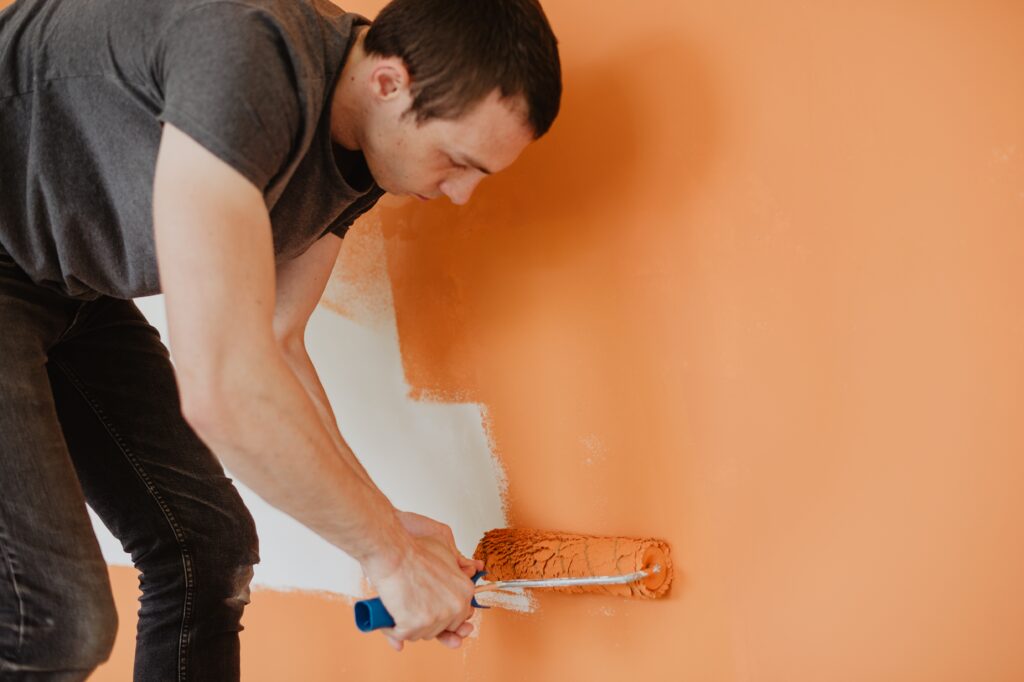
Painting your home interior is one of the most cost-effective ways to refresh your space—but it’s not as simple as picking a color and grabbing a brush. A great paint job depends on planning, preparation, and technique. Before you start, here are 9 things you need to know to avoid costly mistakes and achieve a professional finish.
Main Tips & Ideas:
1. Surface Preparation is Everything
Before you even open a paint can, inspect your walls for cracks, holes, or stains. Clean surfaces thoroughly to remove dust, grease, and old residue. Fill gaps with putty, sand smooth, and prime patched areas.
Why it matters: Paint won’t adhere properly to dirty or uneven surfaces, leading to peeling and blotches.
2. Choose the Right Finish
Paint finish affects durability and look:
- Flat/Matte: Great for ceilings; hides imperfections but less washable.
- Eggshell/Satin: Ideal for walls; easy to clean.
- Semi-Gloss/Gloss: Perfect for trim and doors; highly durable.
Pro Tip: In high-humidity areas like bathrooms, use moisture-resistant paints.
3. Quality Tools Matter
Cheap brushes and rollers leave streaks and shed bristles. Invest in:
- Angled brushes for cutting in
- High-density rollers for smooth coverage
- Painter’s tape for crisp edges
Why it matters: Good tools save time and deliver a professional finish.
4. Primer Saves Time
Pro Tip: Use tinted primer if switching from dark to light colors—it reduces the number of topcoats needed.
5. Color Testing
Paint chips can be misleading. Apply sample swatches on walls and observe them in morning, afternoon, and evening light.
Why it matters: Lighting changes color perception dramatically.
6. Protect Surroundings
Cover floors with drop cloths, remove outlet covers, and tape edges. Move furniture or cover it with plastic sheets.
Common Mistake: Skipping protection leads to paint splatters on floors and fixtures.
7. Plan the Sequence
Always start from the top:
- Ceilings → Walls → Trim
This prevents drips from ruining finished surfaces.
Pro Tip: Cut in edges first, then roll large areas for a seamless look.
8. Ventilation & Safety
Open windows and doors for airflow. Use low-VOC paints for healthier indoor air. Wear a mask if sanding or using strong primers.
Why it matters: Proper ventilation speeds drying and reduces odor.
9. Drying and Curing Times
Don’t rush! Follow manufacturer instructions for drying between coats and full curing before moving furniture back.
Common Mistake: Applying a second coat too soon causes peeling and uneven sheen.
Pro Tips:
- Maintain a wet edge to avoid lap marks.
- Use angled brushes for clean cut-ins.
- Strain paint to remove debris.
- Label leftover paint cans for touch-ups.
Common Mistakes to Avoid:
- Skipping primer on glossy or stained surfaces.
- Painting in high humidity or direct sunlight.
- Using cheap tape that bleeds.
- Ignoring surface cleaning before painting.
Conclusion
Painting your home interior can be fun and rewarding when done right. With proper prep, the right tools, and these pro tips, you’ll achieve a flawless finish that lasts.
FAQ
How many coats do I need?
Usually two coats for even coverage; more if covering dark colors.
Can I paint over wallpaper?
Not recommended—remove wallpaper for best results.
How long should I wait between coats?
What’s the best paint for bathrooms?
Moisture-resistant or mildew-resistant paints in satin or semi-gloss finish.
Do I need to sand before painting?
Yes, especially on glossy surfaces—light sanding improves adhesion.
Get your free estimate
Get a Quote
Your satisfaction is our top priority! We proudly offer a 100% Happiness and 100 days Guarantee on all our Services.